
2026 Doctor Course Description




2026 UOA Annual Congress Doctor Course Descriptions:

Christopher Borgman, OD, FAAO
Dr. Chris Borgman is an associate professor at the Southern College of Optometry in Memphis, TN. He earned his O.D. degree from the Illinois College of Optometry then completed a one-year residency in Primary Care and Ocular Disease at the Illinois Eye Institute in Chicago, Illinois. He has lectured in numerous continuing education venues on the topics of: primary care ocular diseases, ocular manifestations of systemic diseases, and neuro-optometric diseases.
OCT Grand Rounds
This course will review and discuss several unique grand rounds cases where optical coherence tomography (OCT) was used as the main diagnostic technology to make the appropriate diagnosis in these challenging case presentations. The purpose of this course will be to highlight the use of OCT in relatively new and/or unique ways to provide attendees with new insight on the use of OCT.
June 4, 2026 @ 1 – 2 pm
- COPE ID: 102606-GO
Neuro, Optic Nerve, & Orbit Brainteaser Cases
This course will highlight 9 neuro-optometry cases that the author has managed to increase his knowledge in the neuro-optometry realm of eye care. This course will review the pathology and management of these cases.
June 4, 2026 @ 2 – 4 pm
- COPE ID: 102603-NO
Retina Brainteaser Cases
This course will review and discuss the pathology behind approximately a dozen retinal pathology cases that are not seen in optometry every day. An approach to review and use our knowledge of ocular anatomy, physiology, and pathology will be reviewed to best manage these types of patients that may not present every day. New and old thoughts in the management and treatment of retinal pathology cases will also be reviewed. Additionally, pitfalls in the diagnosis of these conditions will be discussed in an attempt to prevent the attendees from making the potential mistakes that the lecturer did in some aspects of these cases.
June 5, 2026 @ 7 – 9 am
- COPE ID: 102605-TD
Ocular Pharmacology: A Conglomeration of New Ideas, New Uses, Old Drugs, and Old Topics
The field of ocular and systemic pharmacology is changing all the time. New drugs come out, old drugs are used in new ways, and off-label drugs are used for old and new topics/pathologies as new uses are uncovered. This lecture is meant to provide a review of interesting old and new drugs we have exposure to in our practices, reviewing potential new off-label uses of older drugs, as well as some miscellaneous topics/questions from a pharmacology perspective the instructor has pondered and encountered in his career. Practical pharmacology knowledge and the clinical use of these particular pharmacologic agents discussed in this lecture will be focused on.
June 5, 2026 @ 9 – 11 am
- COPE ID: 102609-PH
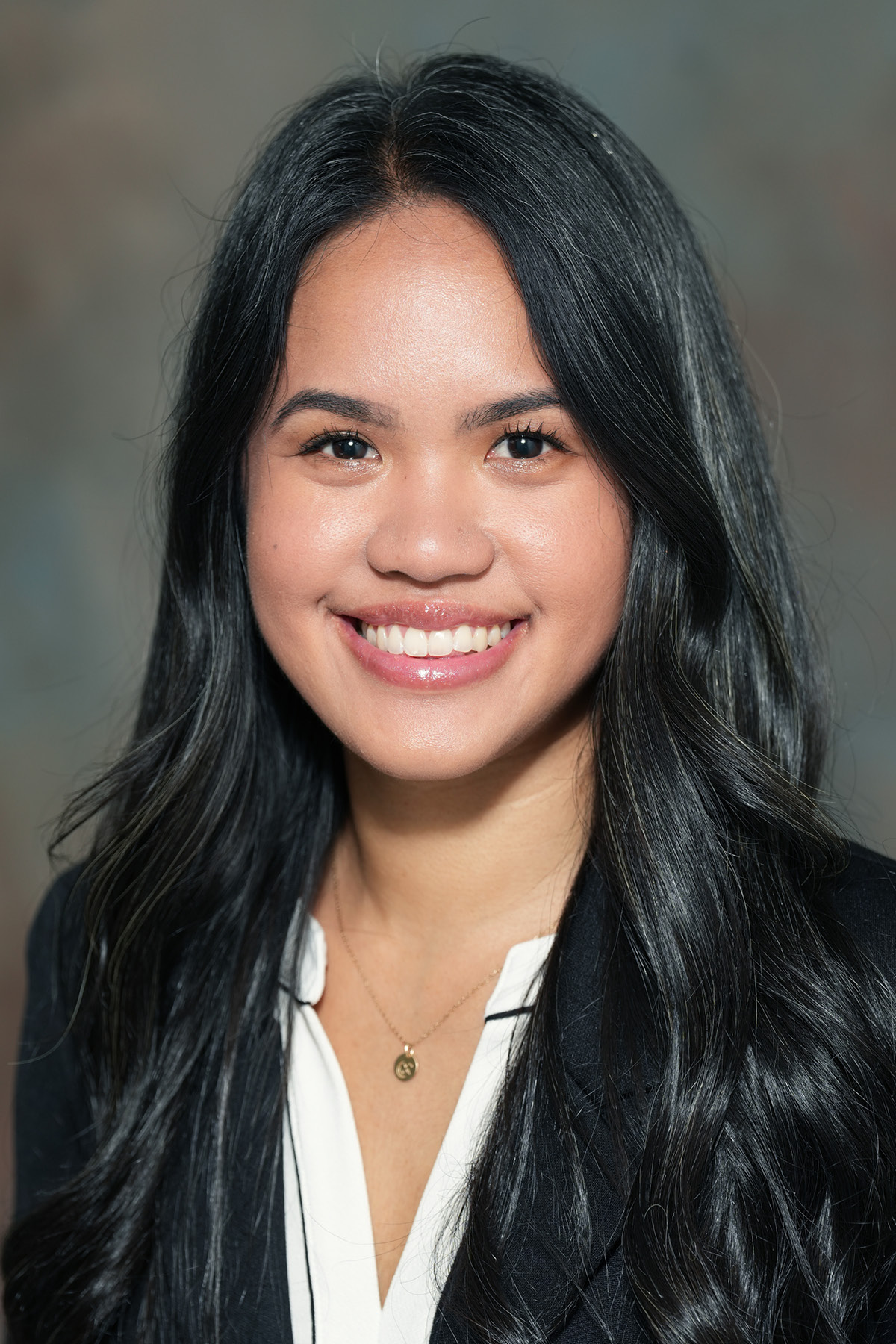
Angelica Echiverri, OD, MS
Angelica Echiverri graduated with a dual OD/MS degree from the University of Houston College of Optometry. She completed a residency in Ocular Disease at Bascom Palmer Eye Institute in Miami, FL. Her published research can be found in Diabetes Epidemiology and Management. She is currently an assistant professor at the RMUoHP College of Optometric Medicine, where she teaches ocular disease and precepts students at the University Eye Institute. She can be contacted by email at angelica.echiverri@rm.edu.
Diagnosing and Managing Glaucoma in High Myopes
High myopia can often present a challenge in the diagnosis and management of glaucoma. This one-hour lecture will discuss an overview of the confounding characteristics shared between high myopia and glaucoma. This lecture will also include diagnostic to tools to assist in differentiating myopic and glaucomatous changes.
June 4, 2026 @ 4 – 5 pm
- COPE ID: 103826-GL
Crash Course in Retina OCT and OCT-A
Optical coherence tomography (OCT) and optical coherence tomography angiography (OCT-A) are important instruments in the diagnosis and management of retinal disease. This one-hour lecture will discuss an overview of these imaging modalities, including the interpretation of OCT and OCT-A scans and their clinical applications.
June 4, 2026 @ 5 – 6 pm
- COPE ID: 103832-TD
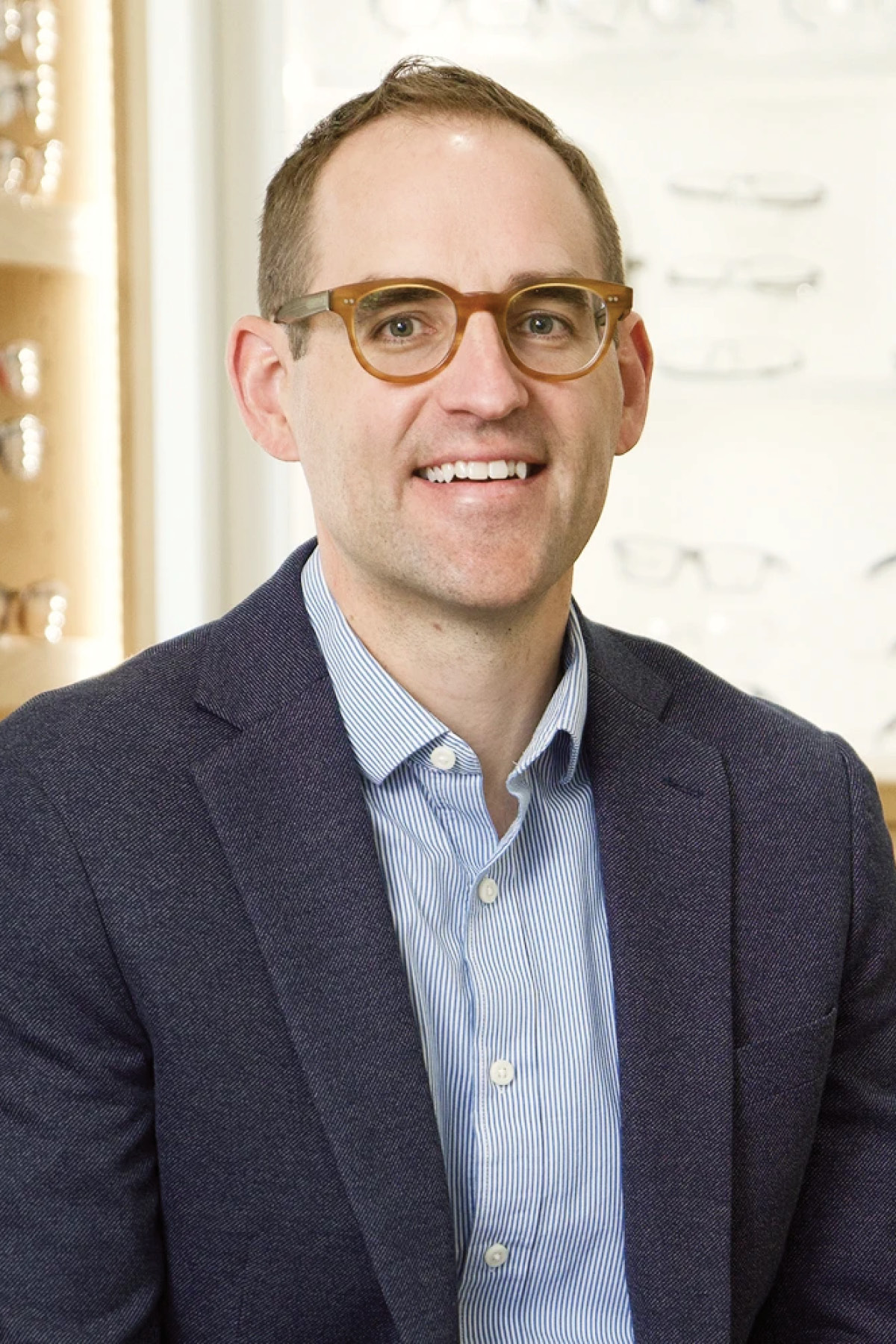
Kyle Klute, OD
He received his optometry degree from Illinois College of Optometry in Chicago and then completed additional training at a Veterans Medical Center in Battle Creek, Michigan. He then worked at an ocular disease referral center exclusively managing sight-threatening conditions of the eye.
Now, he brings that wealth of knowledge and experience to primary care striving to identify these sight-threatening conditions earlier before they manifest into life-altering situations.
Originally from the small town of Hampton, in south-central Nebraska, Dr. Klute strives to bring that small town, personable experience to healthcare. He believes you shouldn’t have to go to small-town Nebraska to find kind and hospitable healthcare nor should you have to go to a big city to find a professional expert.
Choose the Code: Mastering E/M and Ophthalmic Coding in Primary Care Optometry
- Accurate coding is one of the most powerful and most misunderstood levers in primary care optometry. This two-hour course provides a practical, case-driven framework for choosing evaluation and management codes with confidence. Using real-world patient scenarios, attendees will work through the logic of medical decision-making, documentation requirements, time-based billing, special testing rules, and modifier use. Emphasis is placed on aligning clinical care with compliant coding practices eliminating both the financial risk of under-coding and the audit risk of over-coding. Attendees will leave with decision tools they can apply immediately in practice.
June 5, 2026 @ 8 – 10 am
- COPE ID: 103552-PM
Using KPIs to Grow Medical Optometry
- Optometry stands at a crossroads: demand for medical eye care is rising sharply, yet most optometrists underutilize the very tools and codes that define sustainable medical practice. This course explores how Key Performance Indicators (KPIs) can serve as benchmarks for growth, help align optometrists with best practices, and ultimately improve patient outcomes in glaucoma, dry eye, and other chronic diseases.
June 5, 2026 @ 10 – 11 am
- COPE ID: 103559-PM
AI for Optometrists: Using AI Without Losing Your Clinical Mind
- Artificial intelligence is rapidly entering optometric practice, but enthusiasm for these tools has outpaced the frameworks needed to use them wisely. The most significant risk is not that AI will replace optometrists, it is that uncritical reliance on AI will gradually erode the clinical reasoning and judgment that define excellent patient care. Using Evidence-Based Medicine as the organizing framework, this course examines where AI genuinely enhances clinical decision-making, where it introduces new hazards, and where it has no access at all. Specific AI tools for research synthesis and clinical efficiency are reviewed and evaluated against EBM standards, with practical examples drawn from primary care optometry. Attendees will leave with a durable framework for integrating AI into their practice without outsourcing clinical judgment.
June 5, 2026 @ 11 – 12 pm
- COPE ID: 103843-PM
Glaucoma Management in Primary Eye Care
- This course equips primary care optometrists with a systematic blueprint for diagnosing, staging, and managing glaucoma. Emphasis will be placed on risk assessment, diagnostic imaging, evidence-based treatment decisions, and integration of coding and profitability considerations. Participants will gain confidence managing uncertainty and building sustainable glaucoma care models in everyday practice.
June 6, 2026 @ 10:30 – 11: 30 am
- COPE ID: 103548-GL
The Self-Aware Practice: Building a Healthy Practice Culture
- Optometric practices seeking a healthy culture should use personality assessments to know and better serve their team. However, there are many personality assessments on the market, and they are often confusing and difficult to implement. Two helpful and complimentary assessments called The Enneagram and The Working Genius have gained popularity in the business world. The Enneagram uncovers the emotional and the “why” behind our personalities, whereas The Working Genius reveals “what” and “how” we like to work. This course teaches optometrists how to best implement personality assessments and to use them to create organizational health.
June 6, 2026 @ 11:30 – 12:30 pm
- COPE ID: 103563-PM

Tamara Petrosyan, OD
Dr. Tamara Petrosyan is an associate clinical professor at SUNY Optometry and New York Health and Hospitals in the Primary Care, Ocular Disease, Pediatrics, and Vision Therapy departments. Dr. Petrosyan lectures internationally and has published articles and book chapters on various topics. Dr. Petrosyan helped implement free pediatric exams for over 40,000 children through the Armenian Eyecare Project, developed over a dozen vision therapy workbooks, and helped start and previously worked with Anteo Health to develop all the vision therapy content. She is the InfantSEE liaison for New Jersey, head of the clinical care committees for pediatrics and vision therapy, and previously on the board of directors for the New Jersey Society of Optometric Physicians (NJSOP). Among others, Dr. Petrosyan has been awarded the Young Optometrist of the Year and Optometrist of the Year from NJSOP and the Young Optometrist of the Year award from the AOA.
Shifting Paradigms: Evidence Based Binocular Treatment of Amblyopia
This continuing lecture provides optometrists with an in-depth exploration of amblyopia as a binocular vision dysfunction, emphasizing evidence-based treatments and review of the PEDIG studies. It covers the neurophysiological mechanisms of amblyopia, diagnostic evaluation techniques, the Sanet-Vergara protocol for optimizing binocular refraction, and structured in-office vision therapy approaches.
June 5, 2026 @ 8 – 9 am
- COPE ID: 103532-FV
From Impact to Impairment: Exploring the Mechanisms of Acquired Brain Injury
Traumatic Brain Injury (TBI) evaluation and treatment is a growing field within optometry. In this lecture, we will delve into the intricate web of causes contributing to acquired brain injury (ABI). With a focus on primary and secondary head injury, closed head injury and blunt trauma, cerebrovascular accidents, and concussions, and provide a comprehensive understanding of the diverse mechanisms that can lead to this devastating condition.
June 5, 2026 @ 9 – 10 am
- COPE ID: 103531-NO
From Spit-up to Stereopsis : A Guide To Infant Eye Exams Workshop
Co-teacher: Dr. Jarrod Davies
This comprehensive course offers an essential foundation for conducting pediatric eye examinations, from infants and beyond. It will provide tips, tricks, knowledge, and skills necessary to provide optimal eye care for our young patients.
June 5, 2026 @ 11 – 12 pm
- COPE ID: 103533-FV

Jarrod Davies, OD, FCOVD
Dr. Jarrod Davies currently practices in South Jordan, Utah as the clinical director of Utah Vision Development Center. He specializes in vision rehabilitation and sports vision performance training. Dr. Davies has worked with many athletes including baseball, tennis, hockey, golf, football and ski team members on both a professional and amateur level. He also frequently lectures on topics including sports vision training, concussion rehabilitation, binocular vision, and vision therapy.
Dr. Davies is a graduate of Brigham Young University and Southern College of Optometry where he was honored with numerous awards and scholarships.
In addition to being a founding member of the International Sports Vision Association, Dr. Davies is Past-President of the Utah Optometric Association. In 2013, he was voted the Utah Optometric Association Young Optometrist of the Year. In 2015 he was awarded the Utah Optometric Association Optometrist of the Year, and in 2018, was honored by this organization with an ISVA Award of Service.
Seeing the Impact: Concussion Assessment in Optometric Practice — What to Test, When to Refer
Concussion is a frequently overlooked neuroloogical injury that often presents with visually medicated symptoms in primary eye care. This one-hour course provides primary care optometrists with a concise, practical framework for recognizing concussion and performing a focused optometric assessment within scope of practice. Emphasis is placed on targeted history symptom recognition, vision-based testing, interpretation of findings, and identification of red flags that warrant referral. Attendees will gain a clear, efficient concussion assessment approach designed for integration into routine optometric examinations and effective interdisciplinary communication.
June 5, 2026 @ 10 – 11 am
Pending Cope Approval

Kassaundra Johnston, OD
Dr. Kassaundra Johnston started her academic career at Schreiner University in Kerrville, TX. She graduated Magnum Cum Laude with a Bachelor of Science Degree in Biochemistry. After undergraduate, continued her educated in Houston, Tx where she received her Doctor of Optometry degree from the University of Houston College of Optometry (UHCO). After graduation, she stayed at UHCO to complete a residency in Neuro-optometric Rehabilitation.
Following her residency, she became faculty UHCO where she taught in both didactic and clinical settings. She served as Director of the Pediatrics and Binocular Vision Service as well as the Neurooptometric Rehabilitation Clinic. After ten years on faculty, she and her husband decided to move to Colorado Springs, CO where they own a private practice. Dr. Johnston is excited to be back as faculty at both UHCO and RMU optometry schools assisting in courses. Her specialties include neuro-optometry, pediatrics, binocular vision and special needs.
When she is not working, she enjoys spending time outdoors with her husband and two younger kids ,as well as, adding to her never-ending DIY projects. Dr. Johnston is a Fellow of the American Academy of Optometry and continues to enjoy lecturing for continued education courses to fellow colleagues.
Common Questions in Pediatric Eye Care
Case discussions that integrate common questions and referrals in a pediatric eye exam. The course will discuss when to prescribe and how to determine the most appropriate prescription for your patient. There will be an integration of referrals to other professionals and when that may be appropriate or necessary in pediatric eye care. The course will wrap-up with a short discussion on pediatric medications for eye care.
June 5, 2026 @ 4 – 6 pm
- COPE ID: 102372-FV
BV Brainteasers
Complex cases that take a little extra thought to come to a diagnosis or treatment options. We will integrate testing, anatomy, difficulties based on the patient's circumstances as well as consideration of possible healing. The goal of this lecture will be to think outside the box from start to finish.
June 5, 2026 @ 6 – 7 pm
- COPE ID: 102992-FV
Prescribing Prism in Any Practice Setting
Case discussions that integrate different approaches to prescribing prism. The course will discuss testing, trouble shooting and different prism options for clinicians to consider. The goal is to make prism prescribing easy and approachable for everyone.
June 6, 2026 @ 8:30 – 10:30 am
- COPE ID: 102373-FV

Mile Brujic, OD, FAAO
Dr. Brujic is a partner of Premier Vision Group, a successful three location optometric practice in Northwest Ohio. He graduated from the New England College of Optometry in 2002. He practices full scope optometry with an emphasis on ocular disease management of the anterior segment, contact lenses and glaucoma. He is active at all levels of organized optometry. Dr. Brujic is on the editorial board for a number of optometric publications. He has published over 200 articles and has given over 1000 lectures, both nationally and internationally on contemporary topics in eye care. Additionally, Dr. Brujic and Dr. Kading own Optometric Insights which provides career coaching for optometry students and emerging practitioners.
As a practicing clinician, Dr. Brujic has his pulse on the realities of being in the trenches caring for patients and the real challenges and opportunities that exist in eye care. He brings a practical approach to all of the topics that he lectures on. By providing attendees with meaningful, clinically relevant information that can be applied to improve patient care, improve office culture and ultimately improve the practice, Dr. Brujic inspires success to those that he interacts with.
OCT for the Anterior Segment
OCT is commonly utilized for posterior segment disease. This course will explore clinical utilization for anterior segment OCT for anterior disease management and contact lens design.
June 5, 2026 @ 4 – 5 pm
- COPE ID: 98841-TD
The Truth About Presbyopia Drops: Evidence-based Cases and Myth-Busting Insights
This course will discuss the unmet need in the presbyopic population and pharmaceutical agents that are being leveraged to provide with additional functionality.
June 5, 2026 @ 5 – 6 pm
- COPE ID: 103628-PH
Innovative Ways to Generate Revenue
This course explores innovative revenue strategies that elevate both patient outcomes and practice performance. By aligning new offerings, operational efficiencies, and patient education with clinical care, providers can unlock sustainable growth.
June 5, 2026 @ 6 – 7 pm
- COPE ID: 99050-PM
Twelve Innovations in Eye Care That You Need to Know About
Eye care is experiencing rapid innovations which will improve patient care. As such, it will become increasingly important to understand how these technolologies will be incorporated into clinical practice. This course will review new diagnostic and therapeeutics and how they will play a critical role in clinical care.
June 6, 2026 @ 8:30 – 10:30 pm
- COPE ID: 98987-GO
Rule These Out Before You Diagnose It As Dry Eye
Although dry eye can be a debilitating condition for some, it can be virtually asymptomatic for others. Additionally, there are several conditions that can mimic dry eye. This coursee will discuss those conditions that need to be ruled out before starting a dry eye treatment regimen for patients complaining of dry eye symptoms.
June 6, 2026 @ 10:30 – 11:30 am
- COPE ID: 98986-TD
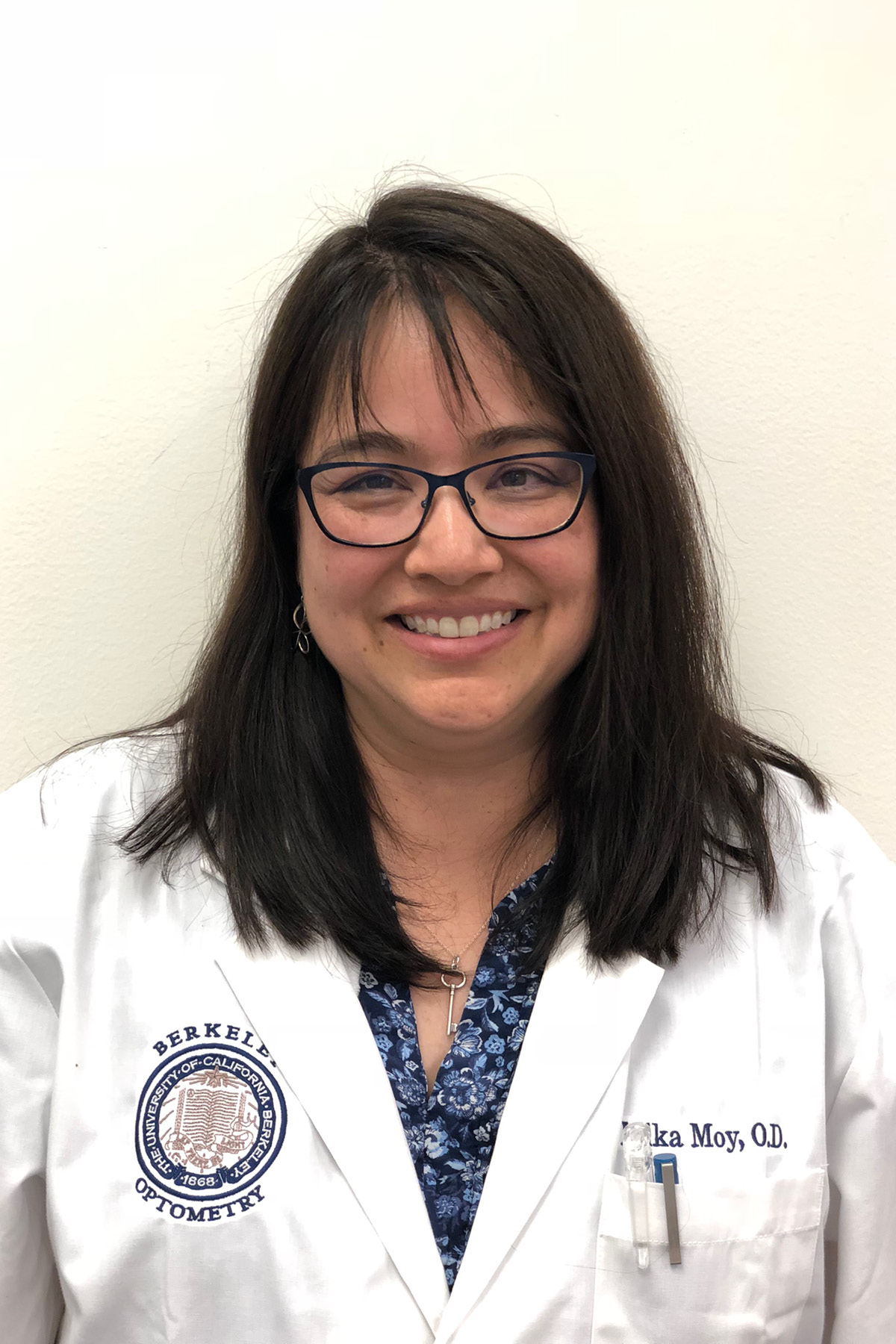
Anne Mika Moy, OD
Dr. Mika Moy graduated from the Herbert Wertheim School of Optometry and Vision Science at UC Berkeley and completed a residency in Pediatrics and Cornea/Contact Lenses there. She is the Associate Dean for Admissions and Student Affairs at Berkeley Optometry where she teaches the Anterior Segment Disease course and is a clinical instructor as well as a mentor for residents. Her interests include anterior segment disease, pediatrics, and neuro-optometry. She is a Diplomate and Founding Member of the Anterior Segment Section of the American Academy of Optometry. She currently serves as a Board Member for the American Academy of Optometry Foundation as well as the California Optometric Association. She recently received the Vincent Ellerbrock Clinician Educator Award from the Academy.
Ocular Pain Management: New Philosophies and Regulations
Pain is both an emotional and sensory experience. There are many acute causes for pain that optometrists treat on a daily basis, but management of patient’s pain is often forgotten all together even though we have many options when it comes to pain management. Changing philosophies of pain management will be discussed.
June 6, 2026 @ 4 – 5 pm
- COPE ID: 100776-PH
Visual Field Defects: Looking Beyond Glaucoma
Visual fields are an important diagnostic tool in the armamentarium of the optometrist although they are inherently flawed due to their dependence on patient execution and doctor interpretation. Three cases are presented where screening VF were key in finding underlying disease, glaucoma was on the initial differential, but eventually, retinal or neurologic diagnoses were determined. Pearls on VF interpretation and patient management will be discussed.
June 7, 2026 @ 8 – 9 am
- COPE ID: 100777-GL
Painless Shingles and the Zoster of Tomorrow
About 1/3 of people are afflicted with Herpes Zoster (HZ) or Shingles at some point in their life. Post herpetic neuralgia (PHN) is a very painful possible sequelae of HZ. With the approval of the Chicken Pox vaccine in 1996, clinical questions arose: What would decreasing rates of the vaccine do to rates of HZ and therefore PHN? Would vaccinated patients get HZ or chicken pox as adults? Would it be more severe or less severe? Add to this that there is a new, improved HZ vaccine, and it is clear that this disease profile is changing. This lecture will go over the history of the disease and emerging data from how vaccine intervention is changing its profile. Case examples will be discussed.
June 7, 2026 @ 9 – 10 am
- COPE ID: 104181-SD
Mystery to Mastery: Anterior Segment Puzzles
Optometrists play a key role in diagnosing and managing anterior segment disease. When a red eye case falls out of the typical ones seen, the doctor must utilize higher-level diagnostic skills to solve the patient’s problem. The following cases provide the clinician with useful tools to aid in the diagnosis and management of anterior segment disease.
June 7, 2026 @ 10 – 12 pm
- COPE ID: 103102-TD